October 16, 2026
KALA 05: Pasihan, SAKA’s New Film on Bali’s Subak Communities
KALA 05: Pasihan, SAKA’s New Film on Bali’s Subak Communities
By Marlowe Bandem
Pasihan opens with the Pleiades rising above coastal villages in North Bali. In Balinese tradition, this star cluster signals the approach of Ngusaba Kadasa, the great harvest ceremony held at Ulun Danu Batur Temple 15 days after Nyepi, the Balinese Day of Silence. Made with Niskala Studio and directed by Wayan Martino, Pasihan is SAKA Museum’s second documentary film.
Preparations begin long before the ceremony. For generations, the Jro Penyarikan Duuran Batur has sent invitation letters to pasihan communities outlining the program and their responsibilities. This priestly office at Ulun Danu Batur Temple also carries the duties of the temple secretary, connecting the temple’s ritual life with the communities that take part.
Across Bali, these communities prepare offerings, decorate the temple, rehearse dance and gamelan, and collect tirta, or holy water. Their work eventually leads to the Pepada Agung procession, when participating communities parade through the streets surrounding the temple.
These opening scenes introduce the relationships at the core of Pasihan. The 13-minute documentary traces how customary communities, villages, and subak organizations across Bali are connected through agriculture and ritual. At the center of this network is Pura Ulun Danu Batur, the supreme water temple of the subak system and one of the components of the Cultural Landscape of Bali Province, inscribed on the UNESCO World Heritage List in 2012.
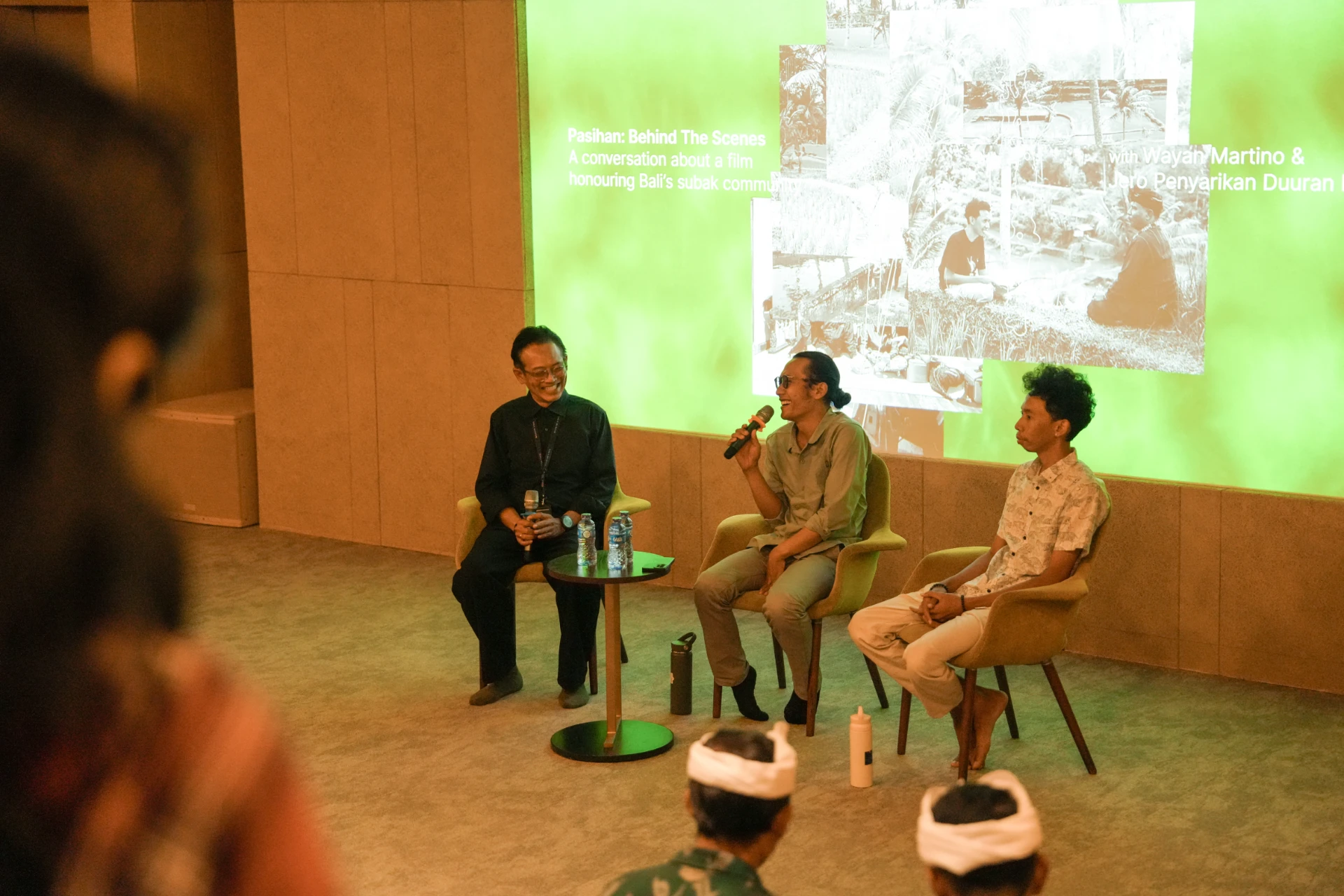
SAKA Museum presented the film at KALA 05 on 14 September 2026, the fifth edition of its ongoing conversational platform for Knowledge, Artistry, Legacy, and Awareness. Opening the program, SAKA Museum Director Dr. Judith E. Bosnak explained why the museum had chosen to tell this story:
“A short film, a living tradition, and the community that safeguards it brought us together today. We present Pasihan not simply to screen a film, but to support the community that sustains this tradition. The film is about Desa Adat Batur, the guardian of many important ceremonies and closely connected to subak communities. This is SAKA’s mission: to preserve and advance Balinese culture together with the communities that keep it alive. The film lasts only 13 minutes, yet it opens an entire world. It complements our exhibition with a living story. Today, we are not only watching the film. We are meeting its maker and one of the people whose knowledge and responsibilities shape its story. This encounter is the purpose of SAKA.”
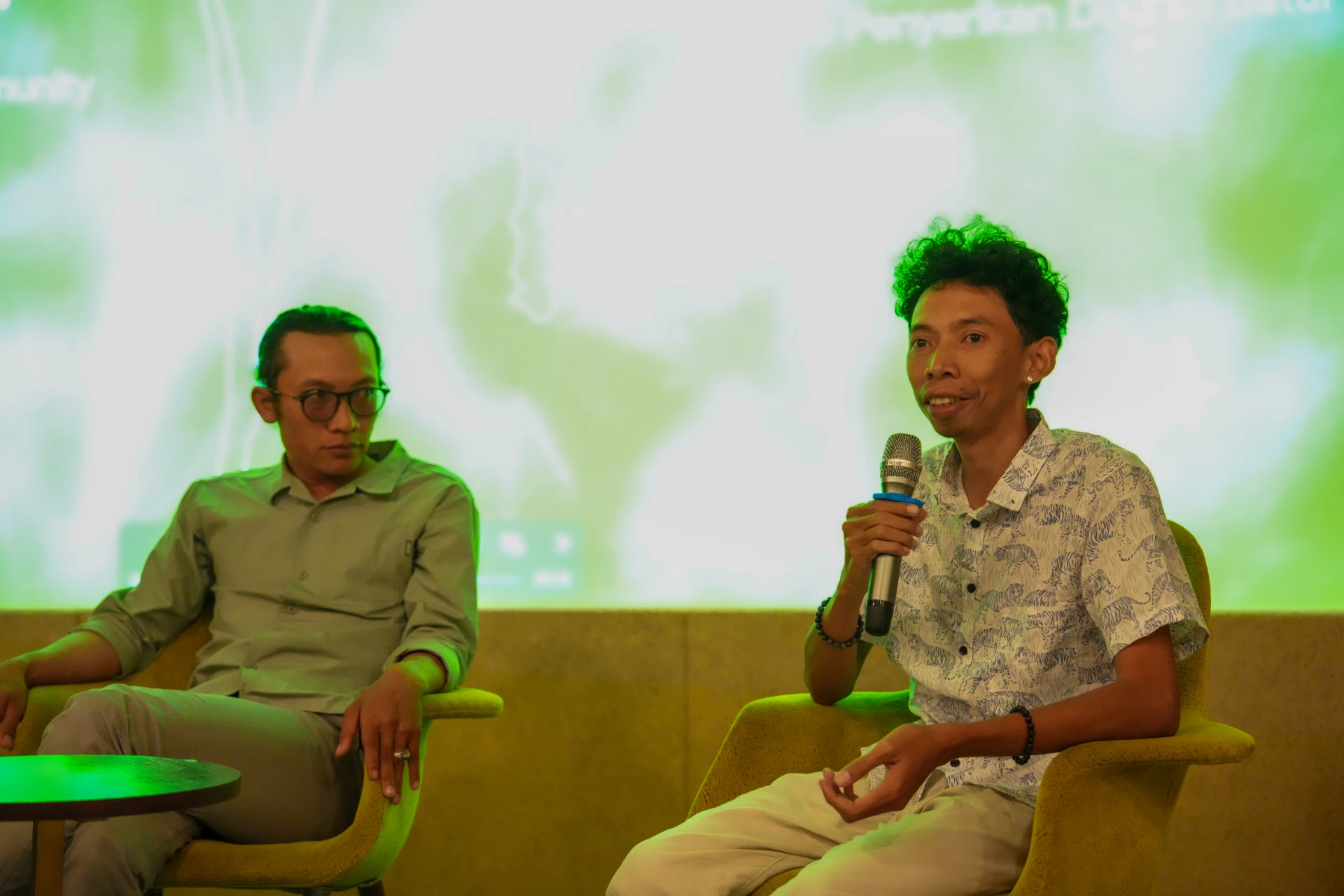
After the screening, Marlowe Bandem spoke with Wayan and Jro Penyarikan Duuran Batur, I Ketut Eriadi Ariana. Their conversation moved between the making of the film and the knowledge within it, but it kept returning to one idea: devotion.
Devotion at the Heart of Pasihan
The film shows devotion through action. It appears in the people who prepare the temple, cook through the night, carry offerings, collect holy water, cultivate the land, and fulfill their responsibilities to communities beyond their own villages.
To understand what connects these acts, the conversation turned to the word pasihan itself.
Jro Eriadi explained that the term appears in the Rajapurana of Pura Ulun Danu Batur, a group of 13 palm-leaf manuscripts recording ritual organization, community life, history, and the responsibilities of pasihan villages.
Drawing on Old Javanese literature, he connected pasihan with sih or asih, words associated with affection, blessing, and kindness.
“Pasihan refers to places that are blessed, places that are cherished. In this case, cherished by water and by land.”
In Batur, these blessings flow from Dewi Danu, the goddess of the lake, whose water sustains temples, farms, and communities across Bali.
This understanding shapes the film. Pasihan describes more than a geographical area or a list of villages. It is a relationship cared for through water, agriculture, offerings, and shared ritual duties. Within this network, subak communities receive water originating in Batur and maintain their connection to Pura Ulun Danu Batur through ceremonies, agricultural produce, and ngayah, or service offered to the community and the divine.
Devotion, in this context, is neither private nor abstract. It is expressed through work. It lives in the repeated acts that keep the relationships among temple, water, land, and community alive.
Filming at the Pace of Ceremony
Martino’s path to the story began during a visit to Batur in 2016. He remembered the mist-covered landscape, but his attention soon moved beyond the scenery. When he later filmed in the area for SAKA Museum’s exhibition Subak: The Ancient Order of Bali, he encountered a much larger world of community activity.
He saw people gathering for ceremonies, a kitchen working through the night, the collection of tirta, and water flowing toward Subak Pulagan. Those experiences eventually became part of the foundation for Pasihan. Subak Pulagan is a rice-growing community in Tampaksiring, Gianyar, in the valley of the Pakerisan River. Its fields are irrigated by natural springs long kept by ancient temples, including Pura Tirta Empul. It shares the same 2012 UNESCO World Heritage listing as Pura Ulun Danu Batur, as part of the Cultural Landscape of Bali.
During the talk, Martino recalled how filming ceremonial life meant giving up some of the control that usually comes with a production schedule. The team waited for access, adjusted its plans, and followed the pace of events already taking place. Nothing could be hurried for the camera.
This patience became its own form of respect. The filmmakers had to observe without interrupting and recognize that the ceremony existed for the community, not for the production.
The team initially imagined a largely observational film. As filming continued, however, they realized that images alone could not explain the journey of water or the relationships surrounding it. The planned ten-minute film grew to 13 minutes as they considered what needed to be said and how much could be shown without simplifying the community’s experience.
Martino realized that beneath the colors, bustling sounds, and beauty of Bali’s familiar landscapes lay a story rarely told: the challenges faced by the people who sustain them, from shrinking farmland to changing livelihoods. For him, the beauty seen on screen could not be separated from the uncertainty surrounding their future.
Looking Beyond the Rice Fields
As the film travels from Batur to Subak Pulagan, its attention shifts from ritual preparations to the farmers, land, and water that sustain them.
During the discussion, Jro Eriadi described subak as a system of knowledge extending beyond irrigation and rice cultivation. It encompasses crops, seeds, sacred places, community memory, and ritual obligations. This wider understanding also appears in the film through Sang Nyoman Astika, the pekaseh, or head of Subak Pulagan.
Astika speaks about the determination required to protect tanah cecatu, or ancestral land, and keep it under rice cultivation. His words express both resilience and growing concern. Communities continue to adapt to economic and environmental pressures, but the future of subak still depends on farmers having land and water to cultivate.
The future of agricultural land is therefore impossible to ignore. Rituals and community knowledge may endure, but sustaining them becomes more difficult as rice fields disappear.
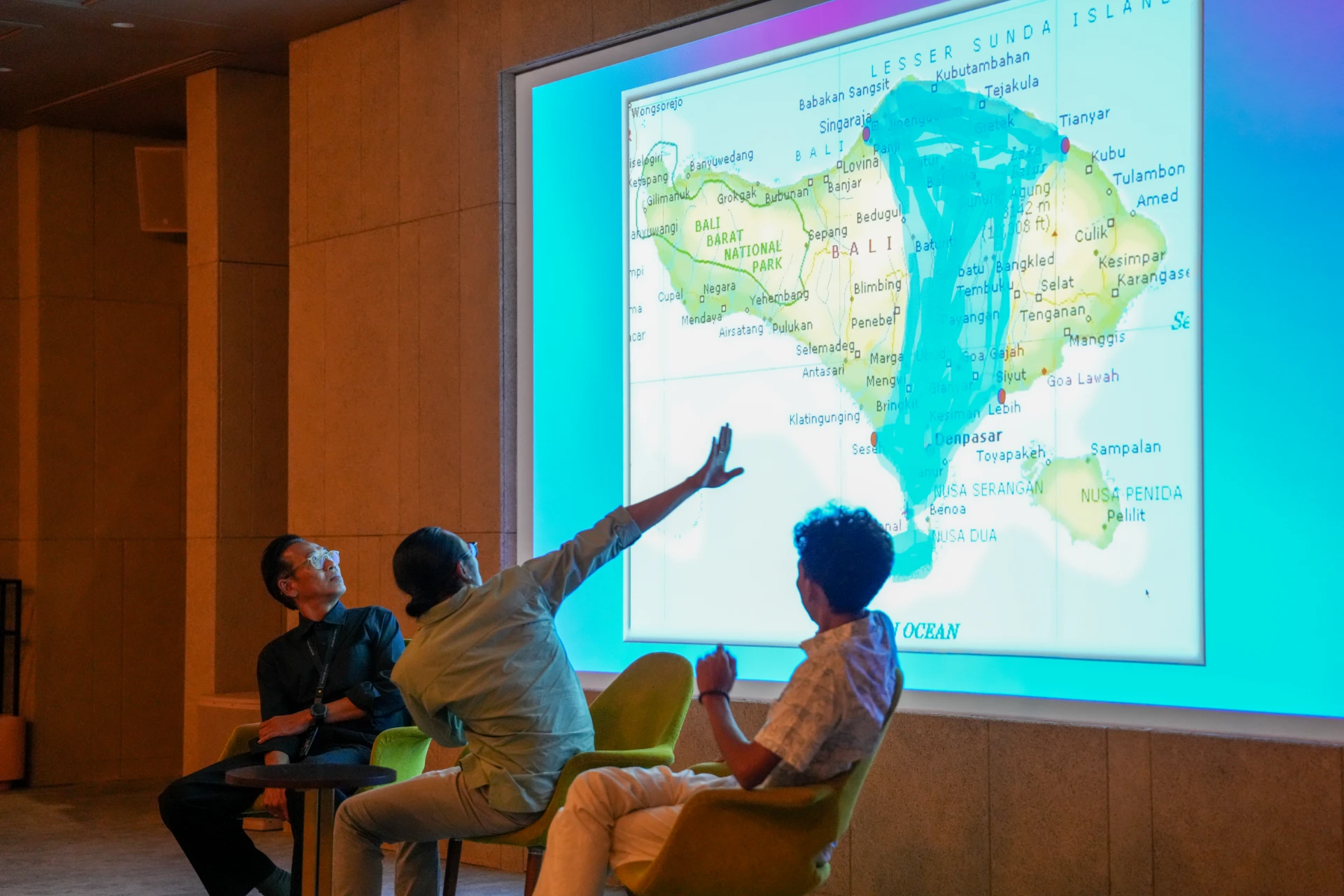
The discussion also raised the need for better mapping. Jro Eriadi argued that existing heritage maps do not fully show the relationships between upstream and downstream communities or the role of customary institutions. Better mapping could make these connections more visible.
Water, then, is more than a resource moving through an irrigation system. Its journey connects communities and carries knowledge and responsibility across generations.
A Life Shaped by Service
For Jro Eriadi, this responsibility is deeply personal. In 2019, he was selected to serve as Jro Penyarikan Duuran. He joined 45 priests responsible for conducting ceremonies and managing daily life at Pura Ulun Danu Batur.
The position had been vacant since 2017. It was eventually filled through nyanjan, a sacred process in which chosen intermediaries identify the person called to continue a temple duty.
Jro Eriadi had already spent years studying Batur’s texts, so he understood how much the position would change his life. It would affect his work, his movements, his family, and the decisions he could make for himself.
Throughout the night of his selection, he kept asking, “Why me?” His understanding began to change when he was taken to a shrine that he had dreamed of cleaning the previous day.
His experience brings the meaning of devotion into focus. Accepting the position required more than belief. It meant accepting limits, responsibilities, and a life of service.
This personal story also brings the film’s wider network back to the people who sustain it. The connections among Batur, water, ritual, and agriculture continue because individuals and communities choose to care for them through daily work.
The Journey Continues
By the end of KALA 05, the conversation had opened into questions about farmland, mapping, customary authority, public policy, and Batur’s wider social and ritual relationships. Rather than offering a simple conclusion, Jro Eriadi invited further research into a history that is still being studied and lived.
Martino also spoke about the film’s next journey. For him, one of its most important audiences is the community represented on screen. He hopes that Pasihan can be shown in Batur before traveling more widely.
The film now screens daily at the SAKA Auditorium in rotation with SAKA Museum’s documentary about Nyepi. Visitors can then continue into the exhibition Subak: The Ancient Order of Bali, where the relationships introduced in the film can be explored further.
From the appearance of the Pleiades to the water flowing toward Subak Pulagan, Pasihan follows a living connection between ritual, agriculture, knowledge, and responsibility. At the center of this connection is devotion: to the divine, to the land, to the community, and to the work that carries these relationships forward.
Continue the Conversation at KALA 06
Join SAKA Museum for KALA 06, The Eccentric Tradition in Kamasan Art, with Professor Adrian Vickers of the University of Sydney, author of Bali: A Paradise Created.
Professor Vickers will explore how Kamasan painting has endured through the choices of individual artists, from Mangku Mura to Mangku Muriati. The conversation will be moderated by Dr. Judith E. Bosnak, Director of SAKA Museum, and followed by a guided walk through KAMASAN: The Noble Tradition of Balinese Painting.
Thursday, October 29, 2026
2:00–4:00 PM WITA
SAKA Museum
.jpg)
.jpg)

